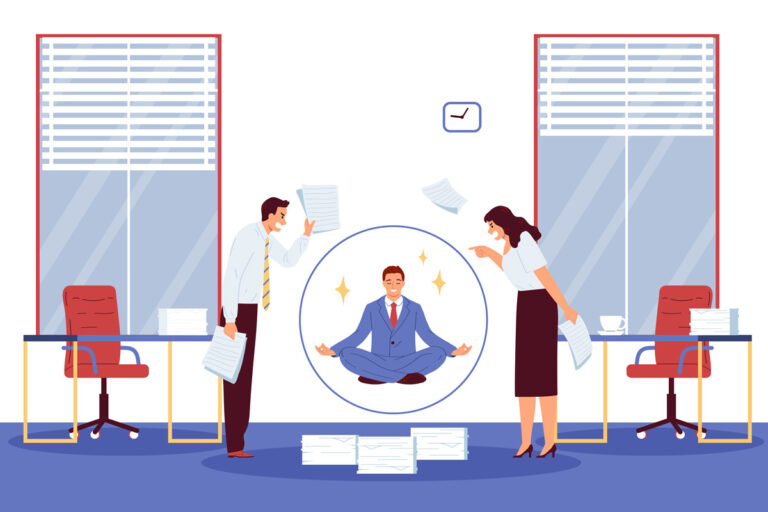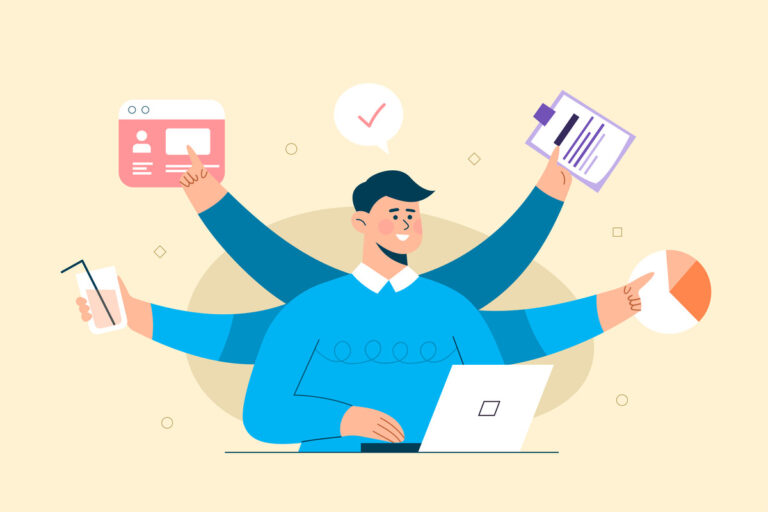

Last week, our team lead mentioned we’d be trying out some new AI tools. My immediate reaction was a mix of curiosityand… unease. I caught myself wondering how much of my job could be automated. Not full panic mode, but definitely anuncomfortable feeling that stuck around.
I work in marketing, so theoretically I should be safe—understanding people is kind of the whole job. But I’d be lying if Isaid I haven’t noticed how good AI has gotten at writing. It’s not replacing anyone yet, but the trajectory is pretty clear.
Turns out this low-grade worry is incredibly common.
The Data Is Kind of Alarming
Here’s something that made me feel simultaneously better and worse: recent research shows that 75% of employees are worried AI will make certain jobs obsolete, and 65% are specifically anxious about AI replacing their own positions. Three-quarters of us! We’re basically all sitting here wondering if we’re about to become redundant.
Globally, about 30% of workers think AI might replace their jobs within the next three years. Three years. That’s not some distant sci-fi future; that’s 2028. I’ll still be paying off my car in 2028.
And it gets weirder. Researchers have actually started studying what they’re calling “AI anxiety” or “technostress” as its own distinct thing. Studies using fancy statistical models have confirmed there’s a real, measurable link between AI-related stress at work and symptoms of anxiety and depression. This isn’t just in our heads (well, it is, but you know what I mean legitimate).
Why AI Stress Hits Different
I’ve adapted to plenty of new technology over the years. Remember when we all had to learn Zoom during the pandemic? That was annoying, but it wasn’t existentially threatening. AI feels different, and I’ve been trying to figure out why.
I think it’s because AI doesn’t just change how we work, it questions whether we’re needed at all. When your company adopts new project management software, you’re still the one managing the project. When they adopt AI that can do your actual job tasks… well, that’s a different conversation.
Plus, there’s the black box problem. I can learn Excel formulas. I can master Photoshop tools. But AI? Half the time, I don’t even understand how it arrived at an answer. There’s research showing that people who feel more confident in their ability to learn and work with AI experience less stress about it, which makes sense, but it’s hard to feel confident about something that feels like magic (or witchcraft, depending on the day).
Let’s Talk About Job Loss (Because We’re All Thinking It)
In 2025 alone, over 76,000 jobs have already been eliminated due to AI. That’s not a projection, that’s already happened. Some experts are saying the major disruption timeline has moved up to 2027-2028.
But here’s where it gets complicated, and honestly, this is the part that keeps me up at night trying to figure out what it actually means: while projections suggest 92 million jobs might be displaced by 2030, the World Economic Forum simultaneously projects 170 million new jobs will be created.
Okay, so… net positive? But that doesn’t really help me personally, does it? Those new jobs might require completely different skills. They might be in different industries. They might pay differently. Saying “don’t worry, there will be jobs” feels like telling someone whose local factory is closing that there are plenty of opportunities in tech. Technically true, but practically complicated.
Also, the displacement isn’t hitting everyone equally. Research shows 79% of employed women in the U.S. work in jobs at high risk of automation, compared to 58% of men. So we’re not just talking about job disruption – we’re talking about potentially widening inequality gaps.
The Bigger, Weirder Anxiety
Sometimes late at night (why is it always late at night?), the anxiety goes beyond just job security into this strange territory. Like, what even makes us human if machines can think? What’s our purpose?
I know that sounds dramatic, but apparently I’m not the only one having these thoughts. Researchers studying what they call “existential anxiety” about AI have found it affects everything from people’s sense of well-being to major life decisions. This isn’t just about paychecks – it’s about identity.
Previous generations worried about plenty of things, but they didn’t have to wonder whether non-human intelligence would eventually outpace them in every measurable way. That’s new.
The Weird Irony Nobody’s Talking About Enough
Want to know something kind of funny (in a dark way)? While AI is making us all anxious, companies are simultaneously developing AI tools to help with mental health and stress management. AI-powered apps that detect stress. AI chatbots that provide therapy. Machine learning that analyzes mental health data.
So we’ve created a technology that’s stressing us out, and now we’re using that same technology to manage the stress it caused. If that’s not the most 2025 thing ever, I don’t know what is.
What I’m Trying to Do About It (Your Mileage May Vary)
I’m not going to give you a perfect 7-step plan because honestly, I don’t have one. But here’s what’s been helping me worry slightly less:
Learning what AI actually does (versus what headlines say it does) has helped. A lot of the scary predictions are based on theoretical capabilities, not current reality. AI is impressive, but it’s not magic, and understanding its actual limitations makes it less terrifying.
Focusing on what I’m good at that AI sucks at is my current strategy. Emotional intelligence, reading between the lines in client conversations, knowing when a technically correct answer is still the wrong answer – these are still very human skills. For now, anyway. (See, the anxiety creeps back in.)
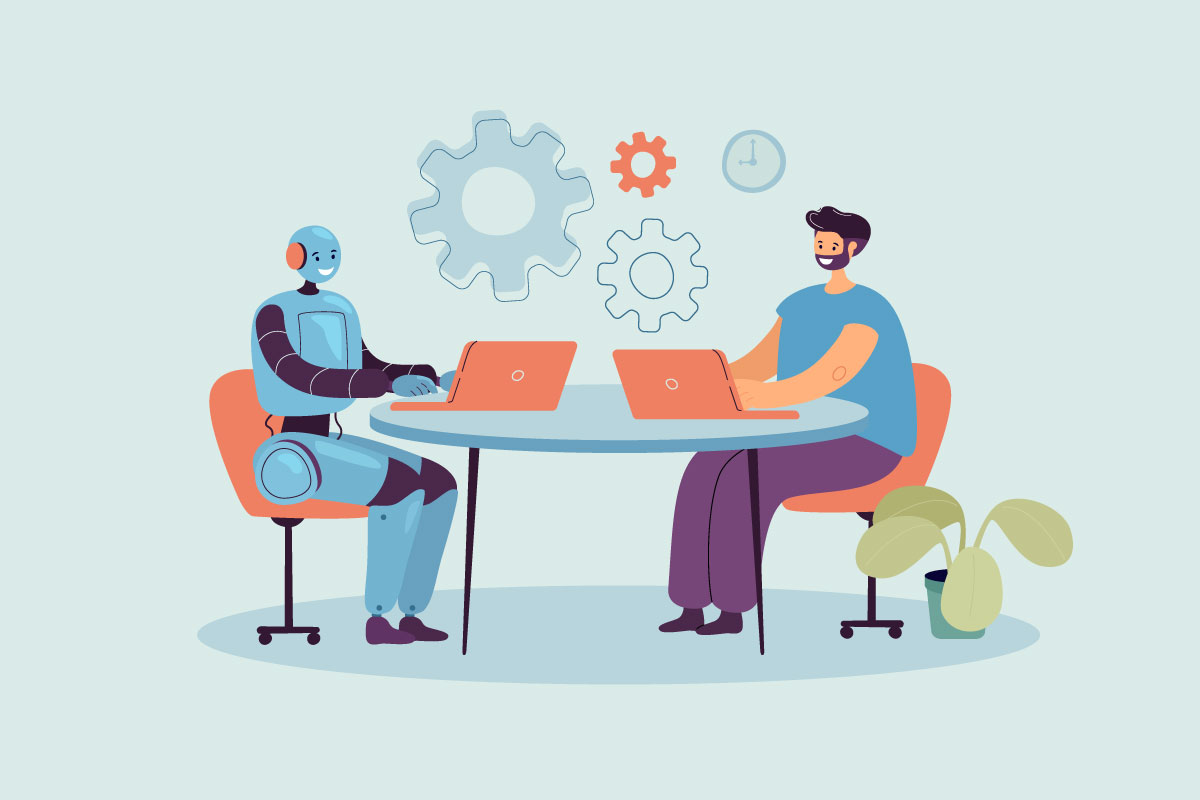
Treating AI like a tool instead of a competitor helps on good days. Using Chat GPT to draft an outline isn’t that different from using spell-check or a calculator. It’s augmenting what I can do, not replacing me. On bad days, this logic doesn’t work as well.
Limiting how much I read about AI doom scenarios has genuinely improved my mental health. There’s staying informed, and then there’s reading every apocalyptic prediction on Reddit at 2 AM. Guess which one I was doing?
The continuous learning thing everyone talks about is real, though. The people I know who seem least anxious about AI are the ones who are actively playing with it, learning it, and figuring out how to incorporate it. They’re not ignoring it or pretending it doesn’t exist, they’re engaging with it on their terms.
Where Does This Leave Us?
I don’t have a tidy conclusion because this situation isn’t tidy. The AI anxiety you’re feeling (if you are) is completely rational. The uncertainty is real. The disruption is happening. Anyone who tells you they know exactly how this plays out is either lying or selling something.
But here’s what I keep coming back to: humans are shockingly adaptable. We’ve been through massive technological shifts before: the printing press, the industrial revolution, the internet. Each time, there were legitimate fears and real disruption, and each time, humanity figured it out. Not perfectly, not without pain, but we figured it out.
The AI future isn’t written yet. It’s being written right now by the choices we’re making, how we use these tools, how we regulate them, how we support people through transitions, and what we decide is too important to automate. That’s actually kind of empowering when I remember it.
Your anxiety about AI is valid. Take it seriously, but don’t let it paralyze you. Stay informed without doom-scrolling. Develop your skills without panicking. Ask questions about how AI is being implemented in your workplace. Vote for people who take this seriously.
And maybe, just maybe, we can shape this technology to work for us instead of the other way around. That’s the hope I’m holding onto, anyway.