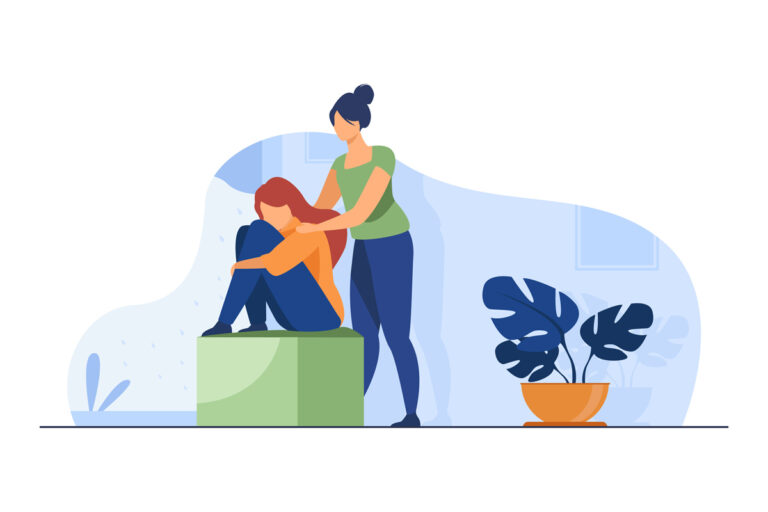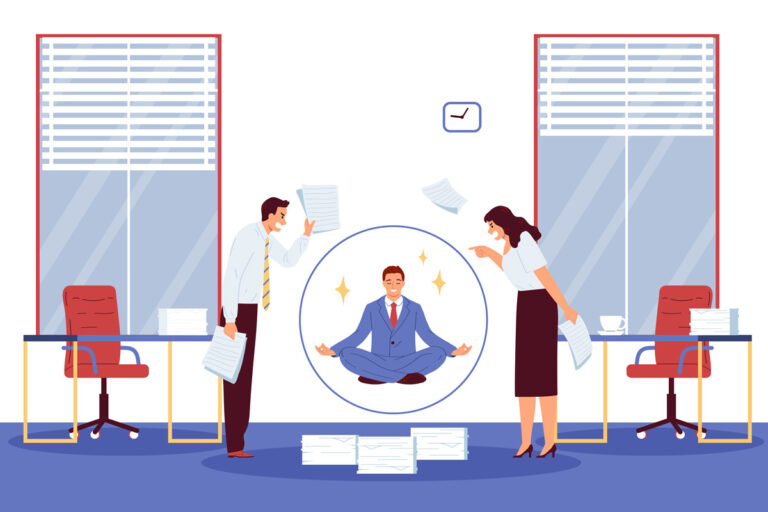


You know that feeling when your heart starts racing the moment you check your work email. When Sunday evenings fill you with dread about Monday morning. When you lie awake at 2 AM, mentally rehearsing tomorrow’s presentation for the hundredth time. If this sounds familiar, you’re not alone—workplace stress affects nearly 76% of employees according to the American Psychological Association, making it one of the most pervasive health challenges of our time.
The good news? Stress doesn’t have to control your career or your life. With the right understanding and evidence-based strategies, you can transform your relationship with workplace pressure and build resilience that serves you both professionally and personally.
Understanding Job Stress: More Than Just “Being Busy”
Job stress isn’t simply about having a lot on your plate. It occurs when the demands of your work environment exceed your perceived ability to cope with them. This mismatch triggers your body’s ancient fight-or-flight response, flooding your system with stress hormones like cortisol and adrenaline.
Research from Harvard Business School shows that chronic workplace stress costs the U.S. economy up to $190 billion annually in healthcare expenses alone. More importantly for you as an individual, prolonged stress can lead to serious health consequences, including cardiovascular disease, depression, anxiety, and compromised immune function.
The keyword here is “chronic.” Acute stress—the kind that helps you meet a deadline or perform well in a presentation—can actually be beneficial. It’s when stress becomes your constant companion that problems arise.
The Science-Backed Stress Management Toolkit
1. The Power of Deep Breathing: The 4-7-8 Technique
Your breath is the most immediate tool you have for stress management. The 4-7-8 breathing technique, developed by Dr. Andrew Weil and backed by neuroscience research, activates your parasympathetic nervous system, literally telling your brain to calm down.
How to do it:
- Sit comfortably with your back straight
- Exhale completely through your mouth
- Inhale through your nose for 4 counts
- Hold your breath for 7 counts
- Exhale through your mouth for 8 counts
- Repeat 3-4 times
Practice this technique twice daily, and use it in stressful moments. A study published in the Journal of Clinical Medicine found that controlled breathing exercises reduced cortisol levels by up to 25% in just four weeks.
2. Cognitive Reframing: Changing Your Stress Story
Cognitive Behavioral Therapy research shows that our thoughts directly influence our stress levels. Cognitive reframing involves identifying and challenging stress-inducing thought patterns.
The ABCDE Method:
- Adversity: Identify the stressful situation
- Beliefs: Notice your automatic thoughts about it
- Consequences: Recognize how these thoughts make you feel
- Disputation: Challenge negative thoughts with evidence
- Energization: Notice how you feel after reframing
For example, instead of “I’m terrible at presentations and everyone will judge me,” try “Presentations make me nervous, but I’m prepared and most people want me to succeed.”
3.Progressive Muscle Relaxation (PMR)
Developed by physician Edmund Jacobson, PMR involves systematically tensing and relaxing different muscle groups. Research from the University of Michigan shows it can reduce workplace stress by up to 40%.
Quick PMR sequence for work:
- Start with your toes: tense for 5 seconds, then release
- Move up through your calves, thighs, abdomen, hands, arms, shoulders, and face
- Spend 10-15 seconds noticing the relaxation after each release
- Complete the full sequence in 10-15 minutes
4.The Pomodoro Technique for Stress Prevention
Research on attention spans shows that we naturally experience fatigue after about 25 minutes of focused work. The Pomodoro Technique, developed by Francesco Cirillo, works with your brain’s natural
rhythms to prevent stress buildup.
Implementation:
- Work for 25 minutes with complete focus
- Take a 5-minute break (step away from your desk)
- After 4 pomodoros, take a 15-30 minute break
- Use breaks for breathing exercises, short walks, or stretching
A study in the journal Applied Psychology found that employees using structured break schedules reported 23% less stress and 19% higher job satisfaction.
5. Mindfulness Meditation: The 10-Minute Reset
Mindfulness meditation has been extensively studied, with research from Johns Hopkins showing it canbe as effective as antidepressants for reducing anxiety and stress symptoms.
Simple workplace mindfulness practice:
- Find a quiet space (even a bathroom stall works)
- Set a timer for 5-10 minutes
- Focus on your breath or a simple phrase like “breathing in calm, breathing out tension”
- When your mind wanders (it will), gently return to your focus point
- End by setting an intention for the rest of your day
Implementing Your Stress Management Plan
Start Small, Build Consistently
Research on habit formation shows that small, consistent actions are more effective than dramatic changes. Choose one technique and practice it daily for two weeks before adding another.
Create Environmental Cues
You can use visual reminders around your workspace: a small plant for breathing exercises, a smooth stone for mindfulness moments, or phone alerts for stretch breaks.
Track Your Progress
Keep a simple stress journal noting your stress levels (1-10) before and after using techniques. This data will help you identify which strategies work best for you.
Build Workplace Boundaries
Set specific times for checking email, learn to say “no” to non-essential requests, and establish clear work-life boundaries. Research from the University of California, Irvine shows that constant email checking increases cortisol levels by 30%.
When Professional Help is Needed
While self-management techniques are powerful, sometimes professional support is necessary. Consider seeking help from a mental health professional if you experience:
- Persistent sleep problems lasting more than two weeks
- Physical symptoms like chronic headaches, stomach issues, or chest pain
- Feelings of hopelessness or thoughts of self-harm
- Substance use as a coping mechanism
- Inability to concentrate is affecting your work performance
- Panic attacks or severe anxiety episodes
- Relationship problems stemming from work stress
Employee Assistance Programs (EAPs) through your workplace often provide free counseling sessions. Many therapists also specialize in workplace stress and can provide targeted strategies for your specific situation.
Your Path Forward: From Stressed to Strengthened
Managing job stress isn’t about eliminating pressure from your work life—it’s about building the resilience and skills to navigate challenges with confidence and calm. The techniques outlined here are backed by decades of research and have helped millions of people transform their relationship with workplace stress.
Remember that building stress resilience is like building physical fitness—it takes consistent practice, but the benefits compound over time. You might not see dramatic changes overnight, but with regular application of these evidence-based strategies, you’ll develop a toolkit that serves you throughout your career.
Your well-being isn’t just important for your own health and happiness—it’s essential for your professional success, your relationships, and your ability to contribute meaningfully to the world around you. You have the power to break the stress cycle and create a work life that energizes rather than exhausts you.
Start today. Choose one technique. Practice it consistently. Your future self will thank you.
Remember: This information is for educational purposes and doesn’t replace professional medical or psychological advice. If you’re experiencing severe stress symptoms, please consult with a healthcare provider.
Key Research Sources:
- American Psychological Association. (2023). “Work and Well-being Survey”
- Goh, J., Pfeffer, J., & Zenios, S. A. (2016). “The relationship between workplace stressors and mortality” Management Science
- Goyal, M., et al. (2014). “Meditation programs for psychological stress and well-being” JAMA Internal Medicine
- University of California, Irvine. (2012). “The cost of interrupted work: More speed and stress” CHI Conference
- Jacobson, E. (1938). “Progressive Relaxation” University of Chicago Press