

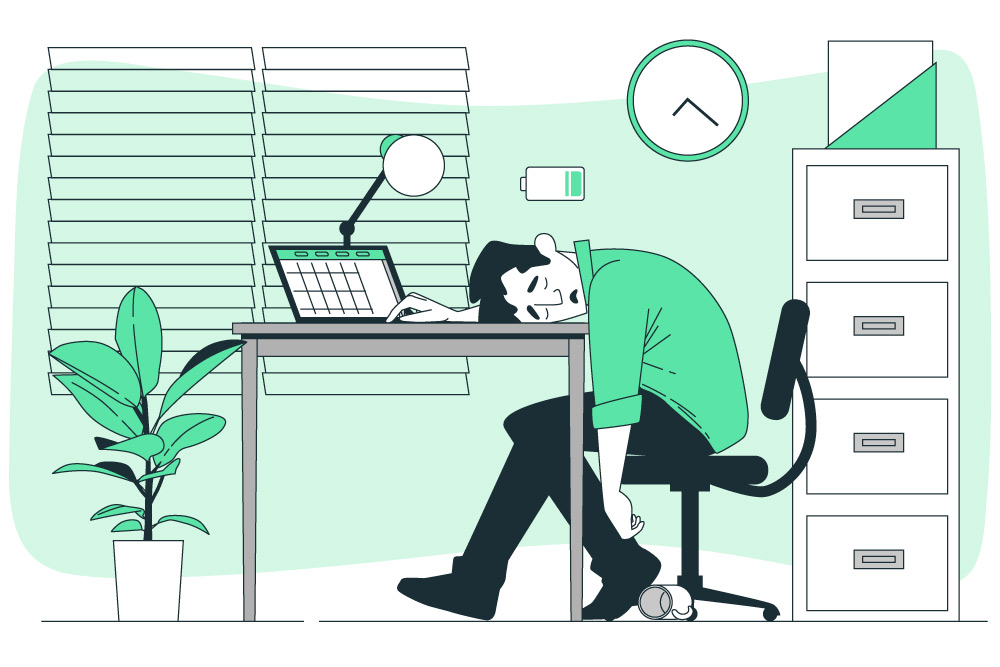
You’ve been dragging yourself through each day, feeling exhausted before you even get out of bed. Work feels overwhelming, you’re constantly irritable, and the things you once enjoyed now feel like chores. Sound familiar? If you’re nodding along, you’re not alone—millions of people struggle to understand whether they’re experiencing burnout, depression, or both.
The line between burnout and depression can feel impossibly blurred. Both conditions share similar symptoms such as fatigue, loss of motivation, and emotional numbness. Yet understanding the difference isn’t just academic—it’s crucial for getting the right help and finding your way back to feeling like yourself again.
What Exactly Is Burnout?
Burnout is a state of physical, emotional, and mental exhaustion caused by prolonged exposure to emotionally demanding situations, particularly in work environments. The World Health Organization officially recognized burnout as an occupational phenomenon in 2019, defining it as resulting from” chronic workplace stress that has not been successfully managed.”
Research by Dr. Christina Maslach, a leading burnout researcher, identifies three core dimensions of burnout:
1. Emotional exhaustion – feeling drained and depleted of emotional resources
2. Depersonalization – developing cynical attitudes toward work and people
3. Reduced personal accomplishment – feeling ineffective and questioning your competence
A 2021 study published in the Journal of Applied Psychology found that 76% of employees reported experiencing workplace burnout, with remote workers showing particularly high rates during the pandemic.
Understanding Depression
Depression, clinically known as major depressive disorder, is a mental health condition that affects how you feel, think, and handle daily activities. Unlike burnout’s workplace-specific focus, depression casts a wider net, impacting all areas of life.
The American Psychiatric Association’s diagnostic criteria for depression include persistent symptoms lasting at least two weeks, such as:
- Persistent sad, anxious, or empty mood
- Loss of interest in activities once enjoyed
- Significant weight loss or gain
- Sleep disturbances
- Fatigue or loss of energy
- Feelings of worthlessness or excessive guilt
- Difficulty concentrating
- Recurrent thoughts of death or suicide
According to the National Institute of Mental Health, approximately 8.4% of U.S. adults experienced at least one major depressive episode in 2020, highlighting how common this condition truly is.
Key Differences: Burnout vs Depression
Scope and Origin
The most significant difference lies in scope. Burnout typically stems from work-related stress and primarily affects your professional life, though it can spill over into personal relationships. Depression, however, permeates all aspects of life-work, relationships, hobbies, and self-care.
Dr. Wilmar Schaufeli’s research, published in Applied Psychology, emphasizes that burnout is context-specific, while depression is context-free. You might feel energized about a weekend hobby despite work burnout, but depression would likely dampen enjoyment across all activities.
Emotional Patterns
Burnout often manifests as cynicism and detachment, particularly toward work. You might find yourself thinking, “What’s the point?” about projects or becoming increasingly critical of colleagues and organizational policies. Depression, conversely, tends toward persistent sadness, hopelessness, and feelings of worthlessness that extend beyond any specific situation.
Physical Symptoms
Both conditions cause fatigue, but the pattern differs. Burnout fatigue often feels tied to specific stressors- you might feel drained after difficult meetings, but recover somewhat during breaks. Depression fatigue is more pervasive and doesn’t necessarily correlate with specific events or improve with rest.
Sleep Patterns
Sleep disturbances appear in both conditions but manifest differently. Burnout might cause difficulty” switching off” after work, leading to trouble falling asleep due to racing thoughts about tasks. Depression often involves early morning awakening, oversleeping, or fragmented sleep, regardless of work stress.
Recovery Response
People with burnout often experience some relief during vacations or extended time away from work stressors. A 2020 study in the Journal of Occupational Health Psychology found that burnout symptoms decreased significantly during vacation periods, though they returned upon work resumption. Depression symptoms, however, persist regardless of external circumstances or time away.
When Burnout and Depression Overlap
The relationship between burnout and depression isn’t always clear-cut. Research published in
Psychiatry Research suggests that chronic burnout can increase the risk of developing depression, while existing depression can make someone more vulnerable to burnout.
This overlap occurs because:
- Chronic stress from burnout can alter brain chemistry similarly to depression
- Both conditions involve dysregulation of cortisol and other stress hormones
- Prolonged burnout can lead to learned helplessness, a key component of depression
- Existing depression can reduce coping resources, making work stress more overwhelming
Dr. Renzo Bianchi’s longitudinal research indicates that severe burnout and depression may share underlying mechanisms, suggesting they exist on a continuum rather than as completely separate conditions.
Practical Steps for Self-Assessment
Understanding your experience requires honest self-reflection. Consider these questions:
For Burnout:
- Do your symptoms primarily relate to work or specific stressors?
- Do you feel better during weekends, vacations, or time away from work?
- Are you primarily cynical about work-related situations?
- Do you still enjoy non-work activities?
For Depression:
- Have you lost interest in activities you previously enjoyed across all life areas?
- Do you feel hopeless or worthless regardless of circumstances?
- Have you experienced significant changes in appetite, sleep, or energy lasting weeks?
- Do thoughts of death or suicide occur?
Keep a mood and energy journal for two weeks, noting patterns related to work stress versus general life satisfaction. This data can be invaluable when discussing your experience with a healthcare provider.
When to Seek Professional Help
Both burnout and depression benefit from professional intervention, but certain signs indicate an urgent need for help:
Seek immediate help if you experience:
- Thoughts of suicide or self-harm
- Complete inability to function at work or home
- Substance abuse as a coping mechanism
- Severe sleep disturbances lasting weeks
- Panic attacks or severe anxiety
Consider professional support if:
- Symptoms persist despite self-care efforts for more than two weeks
- Work performance significantly declines
- Relationships suffer due to irritability or withdrawal
- You feel overwhelmed by daily tasks
- Physical symptoms like headaches or stomach issues develop
Mental health professionals can provide proper diagnosis and evidence-based treatments. Cognitive-behavioral therapy has shown particular effectiveness for both conditions, while some cases of depression may benefit from medication.
Treatment Approaches
For Burnout
- Organizational changes: Addressing workload, improving work-life boundaries
- Stress management: Mindfulness, progressive muscle relaxation
- Social support: Connecting with colleagues and friends
- Career counseling: Exploring role changes or career transitions
- Lifestyle modifications: Regular exercise, adequate sleep, nutrition
For Depression
- Psychotherapy: Cognitive-behavioral therapy, interpersonal therapy
- Medication: Antidepressants when appropriate
- Lifestyle interventions: Exercise, sleep hygiene, social connection
- Support groups: Peer support and shared experiences
- Holistic approaches: Mindfulness, yoga, creative therapies
A 2022 meta-analysis in Clinical Psychology Review found that combined therapy and lifestyle interventions showed the highest success rates for both conditions.
Building Resilience and Prevention
Whether you’re dealing with burnout, depression, or both, building resilience can prevent future episodes:
Workplace Strategies:
- Set clear boundaries between work and personal time
- Communicate openly with supervisors about workload concerns
- Take regular breaks throughout the day
- Develop supportive relationships with colleagues
- Practice saying no to excessive demands
Personal Wellness:
- Maintain consistent sleep and wake times
- Engage in regular physical activity
- Nurture relationships outside of work
- Pursue hobbies and interests unrelated to career
- Practice stress-reduction techniques daily
Professional Development:
- Seek jobs that align with your values and strengths
- Develop multiple areas of competence to avoid over-identification with one role
- Consider career counseling to explore options
- Build a professional network for support and opportunities
Moving Forward with Hope
Recognizing whether you’re experiencing burnout, depression, or both is the first step toward recovery. Neither condition is a personal failing or character weakness—they’re common responses to challenging circumstances that affect millions of people worldwide.
Recovery is possible. Research consistently shows that both burnout and depression respond well to appropriate treatment and lifestyle changes. The key is taking that first step toward getting help, whether through self-care strategies, professional support, or both.
Remember that seeking help is a sign of strength, not weakness. Just as you wouldn’t ignore a broken bone, your mental health deserves the same attention and care. You don’t have to navigate this journey alone—support is available, effective treatments exist, and countless people have found their way back to fulfillment and joy.
Your current struggle doesn’t define your future. With proper understanding, appropriate help, and time, you can reclaim your energy, rediscover your passion, and build resilience for whatever challenges lie ahead. The path forward begins with a single step-and you’ve already taken it by seeking to understand your experience better.
If you’re experiencing thoughts of suicide or self-harm, please contact the 988 Suicide & Crisis Lifeline by calling or texting 988, or chat online at 988lifeline.org. For immediate emergency help, call 911.