
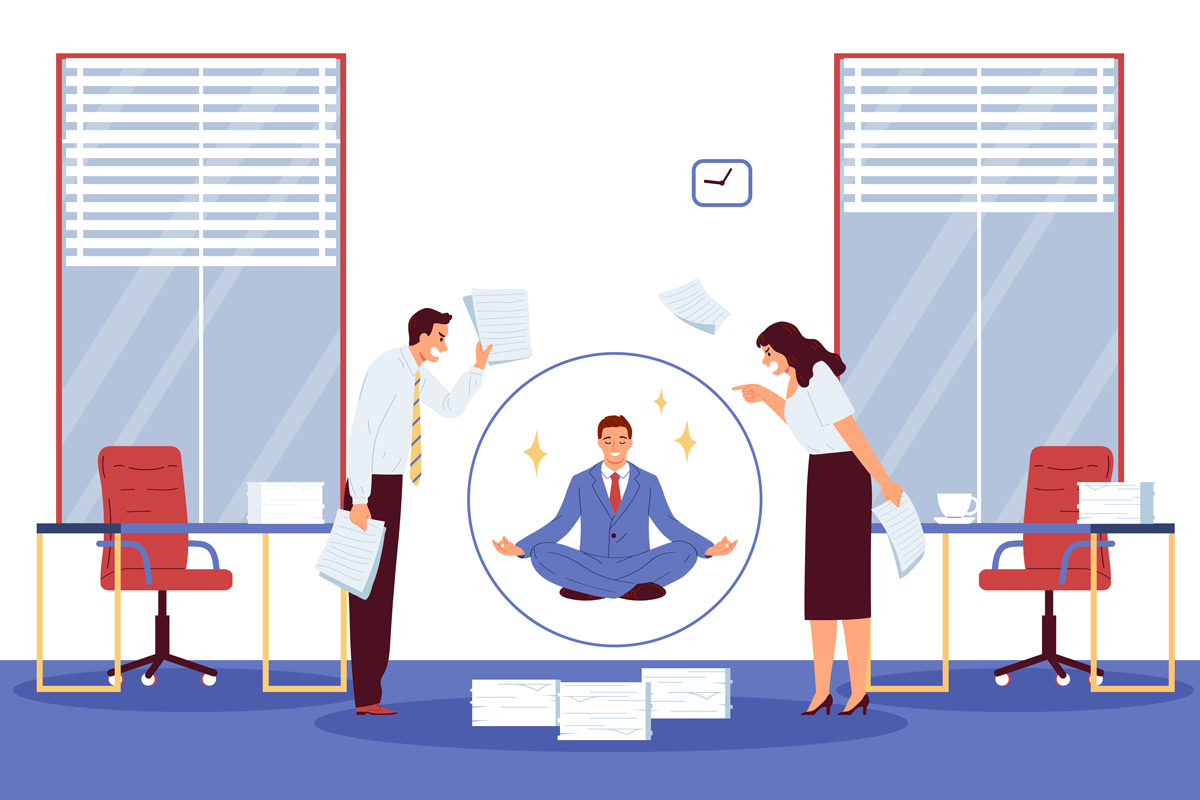
Picture this: Your phone is buzzing with urgent messages, your inbox is overflowing, a critical deadline looms just hours away, and your boss needs that report “five minutes ago.” Your heart races, your palms sweat, and you feel like you’re drowning in an ocean of overwhelming responsibilities. Sound familiar?
If you’ve nodded along to this scenario, you’re not alone. According to the American Psychological Association’s 2023 Work and Well-being Survey, 77% of workers report experiencing work-related stress, with 57% citing it as a significant source of anxiety in their daily lives. Whether you’re an emergency room nurse, air traffic controller, financial trader, or juggling multiple projects in a fast-paced corporate environment, high-stress jobs have become the norm rather than the exception in today’s economy.
But here’s the good news: staying calm under pressure isn’t just a natural talent that some people are born with—it’s a learnable skill set that can transform both your professional performance and personal well-being.
The Science Behind Workplace Stress
Understanding what happens in your body during stressful moments is the first step toward managing your response effectively. When faced with high-pressure situations, your body activates the sympathetic nervous system, triggering the classic “fight-or-flight” response. Stress hormones like cortisol and adrenaline flood your system, causing physical symptoms like increased heart rate, muscle tension, and rapid breathing.
Research published in the Journal of Occupational Health Psychology shows that chronic workplace stress doesn’t just feel overwhelming—it literally rewires your brain. Prolonged exposure to stress hormones can impair memory, reduce cognitive flexibility, and make decision-making more difficult. However, the same neuroplasticity that allows stress to negatively impact your brain also means you can retrain it to respond more calmly and effectively.
Evidence-Based Strategies for Staying Calm
1. Master the 4-7-8 Breathing Technique
One of the most powerful tools for instant calm is controlled breathing. The 4-7-8 technique, developed by Dr. Andrew Weil, activates your parasympathetic nervous system and can reduce stress hormones within minutes.
How to do it:
- Inhale through your nose for 4 counts
- Hold your breath for 7 counts
- Exhale through your mouth for 8 counts
- Repeat 3-4 times
A study in the International Journal of Yoga found that participants who practiced controlled breathing techniques showed significant reductions in cortisol levels and reported feeling more centered during high-pressure situations.
2. Implement the “Pause and Perspective” Method
Before reacting to stressful situations, create a mental buffer by asking yourself three questions:
- Is this situation truly urgent or just important?
- Will this matter in five years, five months, or even five days?
- What would I advise a friend facing this same challenge?
This cognitive reframing technique, supported by research in cognitive behavioral therapy, helps shift your brain from reactive mode to responsive mode.
3. Use Progressive Muscle Relaxation (PMR)
Even during busy workdays, you can practice mini-versions of PMR. Tense and release different muscle groups for 5-10 seconds each—start with your shoulders, then your arms, face, and hands.
Research published in Applied Psychology: Health and Well-Being shows that regular PMR practice can reduce workplace anxiety by up to 60%.
4. Create “Micro-Recovery” Moments
You don’t need hour-long breaks to reset your stress levels. Build 30-60 second recovery moments throughout your day:
- Step outside for fresh air
- Do desk stretches
- Listen to one calming song
- Practice gratitude by naming three things going well
Studies from the University of Rochester demonstrate that these brief recovery periods can significantly improve sustained attention and reduce cumulative stress buildup.
5. Develop a “Stress Inoculation” Routine
Just as vaccines help your immune system handle real viruses, you can train your stress response through controlled exposure. Regularly visualize challenging work scenarios and practice your calm response. This mental rehearsal, backed by research in sports psychology, builds confidence and reduces anxiety when real high-pressure situations arise.
6. Establish Boundaries and Realistic Expectations
One of the biggest sources of workplace stress is feeling like you need to say “yes” to everything. Practice setting healthy boundaries:
- Communicate realistic timelines for projects
- Delegate when possible
- Learn to say “Let me check my capacity and get back to you” instead of immediately agreeing to new requests
Research from Harvard Business Review shows that employees who set clear boundaries report 23% less stress and 18% higher job satisfaction.
7. Build a Support Network
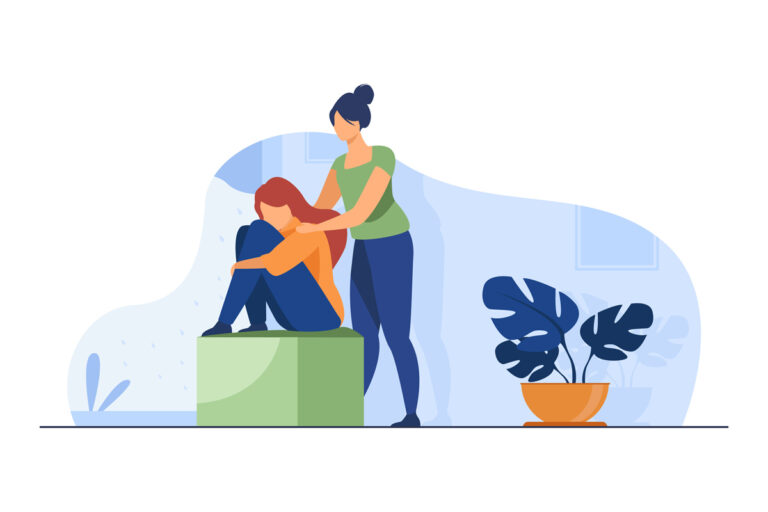
Don’t underestimate the power of connection. Whether it’s trusted colleagues, mentors, or friends outside work, having people you can talk through challenges with provides both emotional relief and practical perspectives. Social support has been shown to buffer the negative effects of workplace stress and improve resilience.
Technology Tools That Actually Help
While technology often adds to our stress, certain apps and tools can be genuine allies:
- Meditation apps like Headspace or Calm offer quick stress-relief sessions designed for workplace use
- Time-blocking tools like RescueTime help you regain control over your schedule
- White noise apps can create calming environments in chaotic offices
- Breathing apps provide guided sessions when you need immediate stress relief
The key is choosing tools that simplify rather than complicate your stress management routine.
When to Seek Professional Help
While these strategies can significantly improve your ability to handle workplace stress, it’s important to recognize when professional support might be beneficial. Consider reaching out to a mental health professional if you experience:
- Persistent sleep problems that don’t improve with better stress management
- Physical symptoms like chronic headaches, digestive issues, or frequent illness
- Difficulty concentrating that affects your work performance
- Increased reliance on alcohol, caffeine, or other substances to cope
- Feelings of hopelessness or persistent anxiety that extend beyond work hours
- Relationship problems stemming from work-related stress
- Thoughts of self-harm or feeling like you can’t cope
Many employers offer Employee Assistance Programs (EAPs) that provide confidential counseling services. Additionally, cognitive behavioral therapy (CBT) has shown particular effectiveness for managing work-related stress and anxiety.
Remember, seeking help isn’t a sign of weakness—it’s a proactive step toward maintaining your mental health and professional effectiveness.
Creating Your Personal Stress Management Plan
The most effective approach to managing workplace stress is developing a personalized toolkit. Not every strategy will work for every person or situation, so experiment with different techniques to find what resonates with you.
Start by identifying your personal stress triggers. Do you feel most overwhelmed during certain times of day, with specific types of tasks, or when interacting with particular people? Once you understand your patterns, you can proactively apply coping strategies before stress peaks.
Consider creating a “stress emergency kit”—a quick reference list of techniques you can use when pressure mounts suddenly. This might include:
- Three breathing exercises you can do at your desk
- A list of perspective-shifting questions
- Contact information for your support network
- A few calming songs on your phone
- A brief walk route around your building
The Long-Term Benefits of Stress Management
Investing time in developing these skills pays dividends far beyond just feeling better at work. Employees who effectively manage stress report:
- Improved decision-making abilities
- Better relationships with colleagues and supervisors
- Increased creativity and problem-solving skills
- Enhanced job satisfaction and career progression
- Better work-life balance
- Improved physical health and energy levels
Moreover, these skills transfer to all areas of life, helping you handle personal challenges with greater resilience and maintaining better relationships outside of work.
Your Journey to Calmer, More Effective Work Days
Managing stress in high-pressure jobs isn’t about eliminating challenges—it’s about changing how you respond to them. The strategies outlined here aren’t just theoretical concepts; they’re practical tools used successfully by professionals across industries, from emergency responders to C-suite executives.
Start small. Choose one or two techniques that feel most accessible and commit to practicing them consistently for two weeks. Notice what changes, both in how you feel and how others respond to your calmer presence. Then, gradually add more tools to your stress management toolkit.
Remember, developing these skills is a process, not a destination. Some days will be harder than others, and that’s completely normal. What matters is having reliable strategies you can turn to when pressure mounts, knowing that you have the tools to navigate whatever challenges come your way.
Your high-stress job doesn’t have to define your stress level. With the right techniques and consistent practice, you can maintain your calm, protect your well-being, and actually thrive in demanding environments. The question isn’t whether you can learn to stay calm under pressure—it’s how much better your work and life will become once you do.
Take that first deep breath, choose your starting strategy, and begin building the calm, confident professional presence you deserve. Your future self will thank you for making this investment in your well-being today.